
Shopping Cart
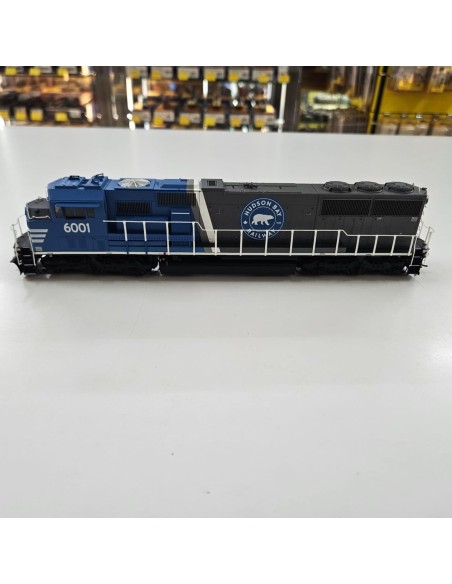
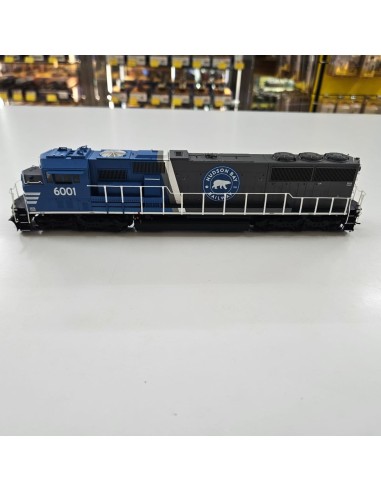
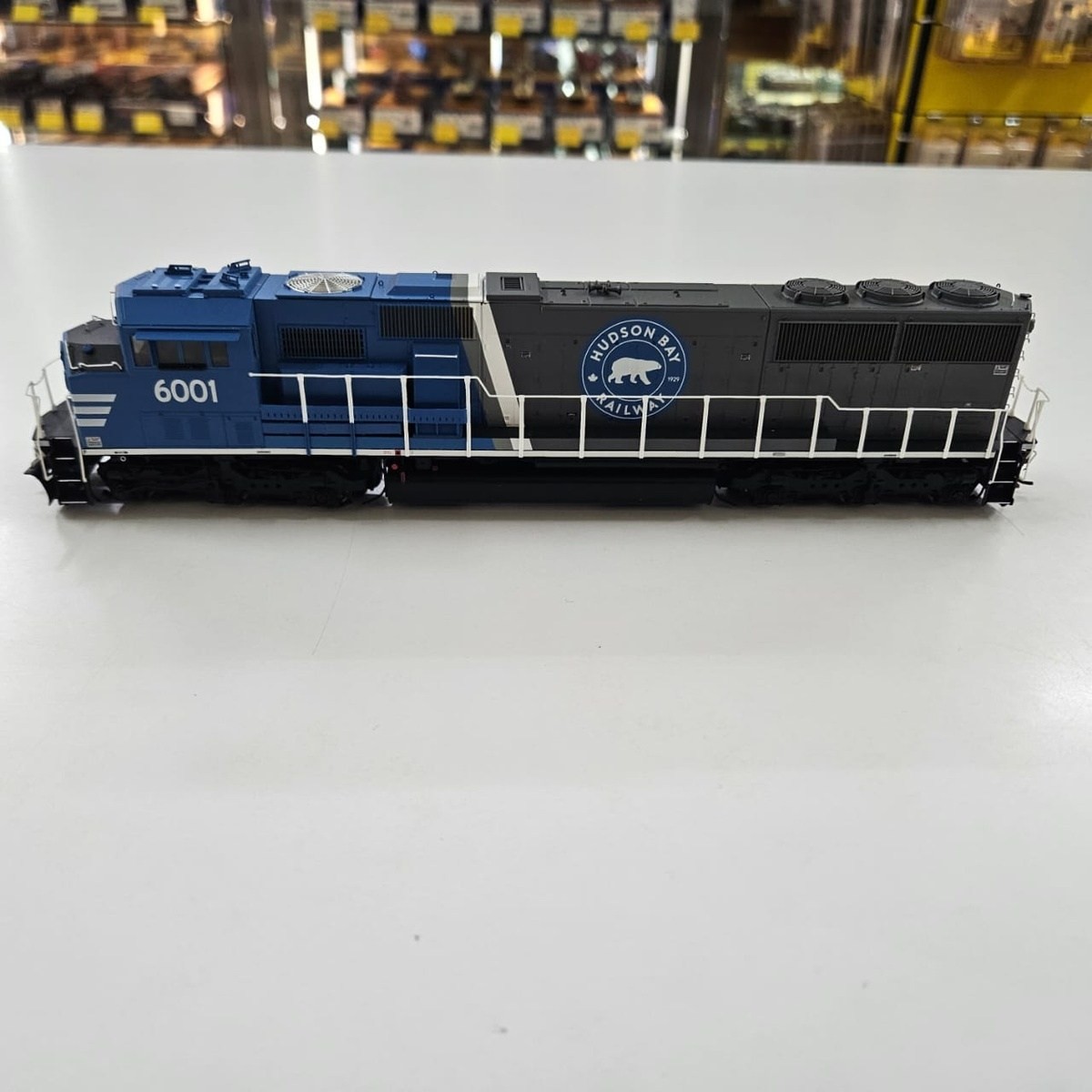
Athearn Genesis presents with reference ATHG75546 one of the most recognisable variants of the SD60 family: the «Tri-Clops» cab, whose three-piece split windshield sets it apart at a glance from any other unit on the layout. The model reproduces Hudson Bay Railway unit #6001, a locomotive with its own history: acquired second-hand from Union Pacific and repainted by this short line operating in Saskatchewan and Manitoba. That ex-UP origin translates into factory-applied details that make a real difference on the workbench.
Details that tell the prototype's story
The late flared nose, the PTC antenna arrangement on the cab roof and the large Union Pacific-style snow plough on the front end are not generic ornaments they are specific features of this real unit, faithfully reproduced at scale. Add to that the front ditch lights, illuminated number boards, separately applied windshield wipers, flexible brake hoses and EMD HTC trucks with detailed bearing caps. The overall effect is of a locomotive that has covered real miles, not a display piece without context.
Mechanics built for layout performance
The die-cast metal chassis adds genuine weight on the track, delivering consistent traction and stable electrical contact. The five-pole motor with skewed armature and machined flywheels allow smooth acceleration and braking, particularly useful in long consists. The unit ships in Standard DC and is DCC-Ready via a 21-pin NEM connector, making decoder installation straightforward without complex surgery. The metal wheels with RP25 profile are compatible with the main track brands on the market.
How it fits into a North American HO consist
On a layout set in the Canadian interior, HBRY #6001 works well both on its own and leading a second unit. Its length and the visual weight of the front plough give the train immediate presence from the first straight section. For modellers working with contemporary-era North American freight consists, this SD60M adds operator variety without stepping outside the geographic and period context. The 18-inch minimum radius allows it to run on layouts with tight curves, though the manufacturer recommends 22 inches for smooth, natural operation.